Discover the Loire Valley wines
Loire Valley wines
Quality and prestigious wines at affordable prices
Although the Romans planted the first grapes, our wine makers have made winemaking into an art. Nowhere in the world can match the variety and quality of the Loire Valley’s white, red, rose, sparkling, sweet and dry wines. Our prestigious AOC wines include Saumur Brut, Savennieres, Chinon, Bourgueil, Coteaux du Layon, Saumur Champigny, Saumur Puy Notre Dame, Muscadet, Sancerre, Pouilly Fumé and Menetou Salon. You can taste wines of every colour and flavour, with unforgettable fragrances which reflect the region’s unique soil.Look out for the sign ‘Vignoble & Découverte’ to find quality winemakers, hotels and restaurants for warm welcome around the Anjou and Touraine region. Our hotel and restaurant La Croix Blanche Fontevraud are proud members of ‘Vignoble & Découverte’ (it translates into : vineyards & discoveries).
The wines of Anjou and Saumur
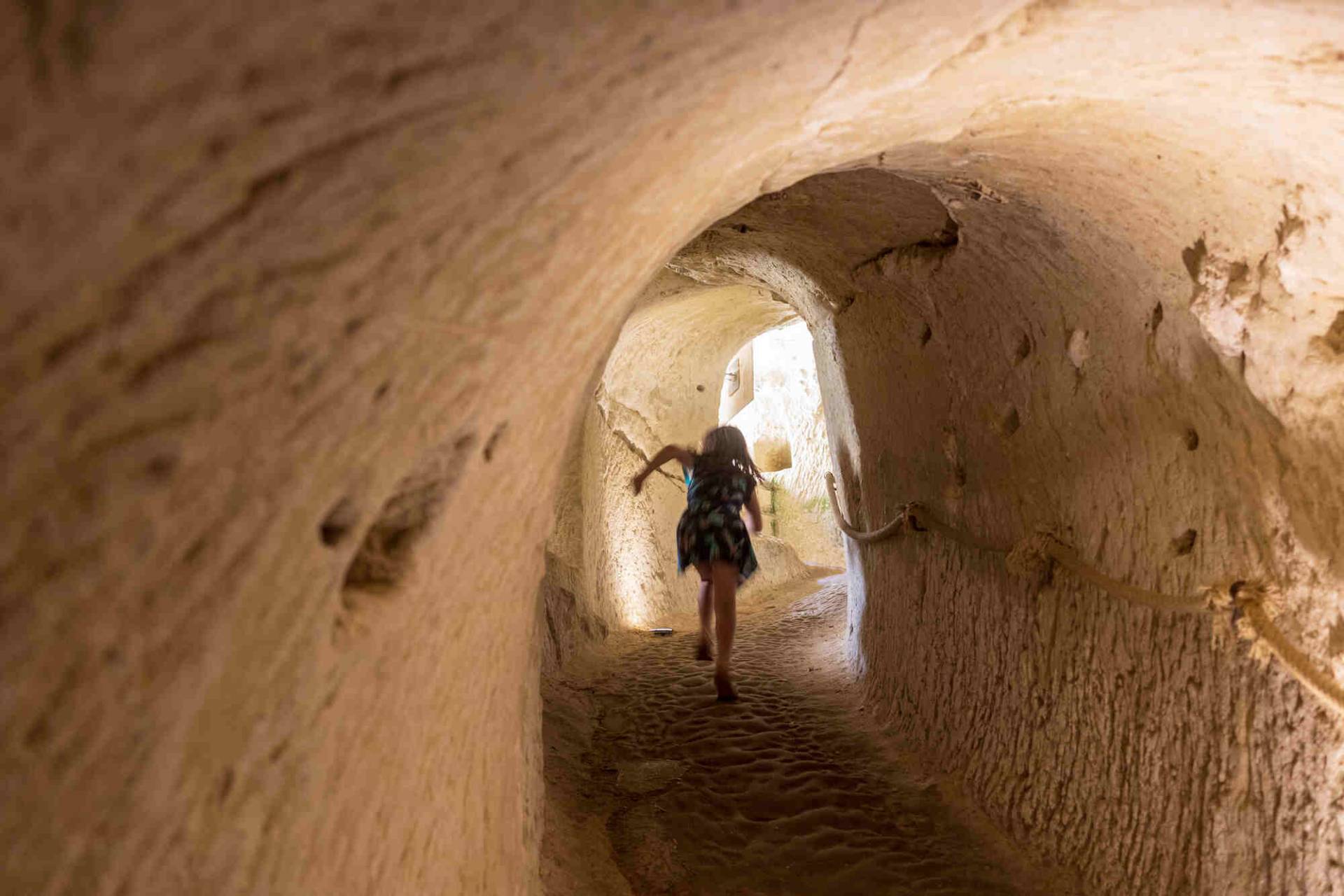
In the heart of the Loire Valley you’ll find the famous vineyards of Anjou and Saumur; at more than 50,000 acres, these are the largest vineyards in the Loire Valley. The diversity of soils here produce a variety of wine styles, resulting in 32 appellations, individually recognised wines. These are some of the most sought-after wines in France: Coteaux du Layon from the Layon valley hills, Savennières from the banks of the Loire and the red Anjou wines from south of the Loire. Saumur wines, originating from the oldest vineyards in France, are produced on the local limestone hills and have a natural tendency to sparkle, like wines in France’s Champagne region. Every year, 15 million bottles of bubbly, especially Saumur Brut and Crémant de Loire wines, are exported worldwide. Many of these sparkling wine wineries use their troglodyte cellars to produce and store the bottles. Reception will be delighted to arrange visits and tasting at local wineries.Our one-and-only grape variety for white wines: Chenin Blanc
this grape variety has shaped the Loire Valley’s white-wine identity for over a thousand years, flourishing from the limestone banks of Saumur to the rolling vineyards of Vouvray, Savennières and Anjou. Long celebrated in monastic cellars—including those near Fontevraud—this noble grape once swung between austere dryness and richly sweet expressions, often chased with a heavy winemaker’s hand.By the mid-20th century, a quiet revolution emerged. Producers began letting Chenin speak for itself, embracing natural acidity, gentle pressing and longer lees aging to capture the purity of the region’s tuffeau-rich soils and cool climate. It is now used for dry, fruity, sweet and sparkling wines; the terroir and the grape variety express themselves in numerous ways!
“Great Loire Chenin Blanc strikes a rare balance—vibrant citrus and orchard fruit wrapped around chalky texture and a whisper of beeswax,” notes a Loire specialist. “At its best, it feels like sunshine filtered through stone.”
Today, Chenin Blanc stands among France’s most versatile whites, prized by sommeliers for its finesse and age-worthiness. Dry, sparkling, off-dry or sweet, it thrives alongside seafood, goat cheese and fresh seasonal cuisine—especially when lightly chilled on a sunny terrace between Saumur and Chinon. A timeless Loire classic, quietly confident and effortlessly elegant.
THE grape variety for red wines: Cabernet Franc
it has been cultivated in the Loire since at least the 17th century, with key appellations including Bourgueil, Chinon, Anjou and Saumur-Champigny. For centuries, producers sought to rival Bordeaux to the south, often resulting in wines marked by over-extraction and heavy oak influence. It wasn’t until the mid-20th century that Cabernet Franc’s reputation began to shift. Winemakers started peeling back the layers of manipulation, vinifying instead with the sole intention of expressing the region’s cooler, limestone-rich soils.“Cabernet Franc is to the Loire Valley what Gamay is to Beaujolais – it’s the region’s most important red grape,” says Wine Enthusiast Writer-at-Large Reggie Solomon, who reviews wines from the region. “There’s an unmistakable, recognizable and terroir-specific expression of Loire Cabernet Franc that distinguishes it from any other place on the planet, with the best examples revealing enticing notes of black tea, dried violets, pencils shaving, and black plum.”
What was once a pursuit of power and structure has since evolved into one of poise. In recent years, Loire Cabernet Franc has gained cult status among sommeliers as a “chillable red.” Lighter extractions, minimal oak, and natural acidity make it both food- and climate-friendly. A new guard of producers has leaned into organic and biodynamic farming, further cementing its place as one of the most expressive transitional-season varieties in France.
There are also a number of local distilleries worth a visit!
Combier Distillery in Saumur
Combier, near Saumur, is the region’s oldest working distillery. With copper stills and secret recipes, the Combier family have been creating their liqueurs here for more than 150 years. Triple Sec and Royal Combier are award-winning liqueurs that perfectly illustrate Combier’s motto ‘La Beauté du Zeste’. Triple Sec is made from bitter oranges and Royal Combier is a blend of triple sec, brandy and Combier Elixir. Discover classic and exotic flavours, making drinks fun to mix and create cocktails with a twist. An aperitif that delighted the court of King Louis XIV, Guignolet, owes its name to the Guigne cherry – typical to the Anjou region. Combier’s Pastis, is made from 10 plants and spices. This exceptional blend is highly praised by connoisseurs of pastis. The mythical Absinthe has returned to the scene and is now completely legal to drink! The distillery produces superior absinthes distilled with and naturally coloured by plants. Other Combier products include: fruit liqueurs made from local fruit which can be served on ice or as the famous ‘kir’, as well as traditional fruit cordials. Tours of the distillery are available to the public. Hours differ according to season.Cointreau Distillery in Angers
Cointreau liqueur distillery has a museum and interpretation centre open to the public in Saint-Barthelemy-d’Anjou, a suburb of Angers. Cointreau is a world famous brand of triple sec liqueur, made from bitter oranges. With a 40% alcohol content, Cointreau is strong for a triple sec which usually has an alcohol content around 23%. Cointreau Distillery was set up in 1849 by Adolphe Cointreau, a confectioner, and his brother Edouard-Jean Cointreau. Their first success was with the local cherry liqueur, Guignolet d’Anjou, but it was when they concocted a blend of sweet and bitter orange peels and pure alcohol from sugar beets that the company skyrocketed. In 1875, the first bottles of Cointreau were sold. It is now estimated that 13 million bottles are sold each year, in more than 195 countries. A stunning 95% of production is exported. The production methods and recipe are a family secret, but tours of the distillery followed by a tasting are open to the public.Some more details regarding the Loire Valley and its wines:
*wine making in the Loire Valley is directly linked with France’s history. Local vineyards gained in popularity under the reign of king Henry II Plantagenêt – the count of Anjou who became king of England in 1154: he served wines from Anjou at his banquets and feasts. For the next millenium kings and queens of France and England alike largely contributed to the reputation of our Loire Valley wines
*in 1936 the first Appellations d’Origine Contrôlée were Muscadet, Quincy, Sancerre and Vouvray. The vineyards of Anjou, Saumur, Touraine and Centre region followed soon afterwards
*the latest AOC (AOCs are now called AOPs): Saumur Puy-Notre-Dame in 2009, Cabernet de Saumur was renamed Saumur Rosé in 2015, and AOC Chinon added 7 towns to their already impressive number of hectares in 2016
* there are now 32 appellations and 2 grand crus providing a tremendous diversity of white, rosé, red, sparkling and sweet wines. Wines can be drunk young or kept for years, especially the dry and sweet white wines. Surface 20.000 hectares, yield 1.000.000 hectolitres
*the Loire Valley region is part of Vitour. Vitour, the European World Heritage Vineyards organisation. All vineyards listed are situated in Unesco’s World Hertiage regions: other regions can be found in Portugal (upper valley of the Douro and the isle of Pico), the terrace vineyards of Lavaux in Switserland, the upper valley of the Rhine in Germany, Cinque Terre national parc and the Orcia valley of Italy, Ferö Neusiedler and the Wachau valley in Austria and the historic vineyard region of Tokaj in Hungary